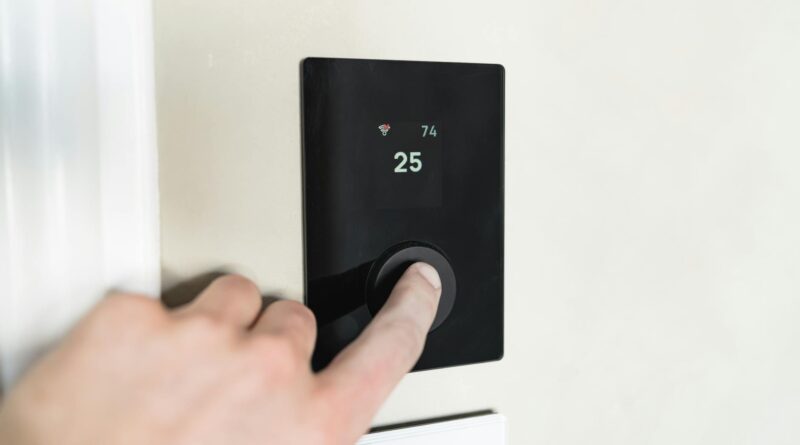
What Is Matter Protocol? How the Smart Home Standard Makes Everything Just Work
If you’ve ever tried to set up a smart home, you’ve likely faced the "walled garden" problem. You buy a light bulb that works with Alexa, only to find it won't talk to your Apple HomePod. Or you spend an hour trying to get a sensor to bridge across a proprietary hub.
In 2026, those headaches are largely a thing of the past thanks to Matter.
But what is Matter protocol, exactly? And how does it change the way you buy and use smart devices? This guide breaks down everything you need to know about the industry's most important standard.
What Is Matter Protocol? (The TL;DR)
Matter is a universal, open-source connectivity standard that allows smart home devices from different brands to work together seamlessly. Developed by the Connectivity Standards Alliance (CSA)—which includes giants like Apple, Google, Amazon, and Samsung—Matter provides a "common language" for gadgets.
If a device has the Matter logo, it is guaranteed to work with any major smart home ecosystem. You no longer have to check for "Works with Alexa" vs. "Works with Apple Home"; if it works with Matter, it works with everything.
Why Matter Is a Big Deal in 2026
By April 2026, Matter has matured from a promising idea into the industry baseline. Here is why it’s the gold standard for your home:
- Interoperability: Mix and match brands without fear. Your Govee lights, Nest thermostat, and Eve sensors can all live in the same app.
- Local Control: Unlike many older smart devices that relied on the "cloud" (and stopped working when your internet went down), Matter works locally. It communicates directly over your home network, making it faster and more reliable.
- Multi-Admin: This is a game-changer. You can control a Matter device from an iPhone while your partner controls it from an Android tablet—simultaneously, without any "ownership" conflicts.
- Security: Matter uses blockchain-verified device certificates to ensure every gadget on your network is genuine and secure.
How Does Matter Work? (Thread vs. Wi-Fi)
Matter isn't a replacement for Wi-Fi or Bluetooth; it's a layer that sits on top of existing technologies. In 2026, Matter primarily runs over two types of connections:
- Matter-over-Wi-Fi: Used for high-bandwidth devices like security cameras and appliances.
- Matter-over-Thread: Used for low-power devices like sensors, locks, and light bulbs. Thread 1.4 is the current standard, offering a self-healing "mesh" network where devices strengthen the signal as you add more of them.
Do I Need a New Hub?
The short answer is: Probably not.
Most modern routers, smart speakers (like the HomePod or Echo), and smart displays (like the Nest Hub) now act as Matter Controllers and Thread Border Routers. If you bought a piece of flagship smart home gear in the last three years, it likely received a software update to support Matter.
What’s New in Matter 1.5?
As we move through 2026, the latest Matter specifications have expanded to include categories that were previously unsupported:
- Energy Management: Matter-compatible EV chargers, solar inverters, and battery storage systems can now share data with your smart home to optimize energy usage during peak hours.
- Advanced Appliances: Dishwashers, laundry machines, and refrigerators now offer standardized status updates and remote controls.
- Robot Vacuums: Standardized commands for starting, stopping, and room-specific cleaning across all major brands.
The Bottom Line
Matter has solved the fragmentation that plagued the early smart home. By prioritizing local control, universal compatibility, and simplified setup (usually just scanning a QR code), it has made the "smart home" accessible to everyone—not just tech enthusiasts.
When shopping for your next upgrade, the rule is simple: Look for the Matter logo.
Matter Protocol FAQ
Is Zigbee or Z-Wave dead?
Not quite, but they are becoming "legacy" standards. While many enthusiast hubs still support them, most new consumer hardware is moving toward Matter-over-Thread.
Can I use my old non-Matter devices?
Yes. Brands like Philips Hue and Aqara offer "bridges" that bring your older Zigbee devices into your Matter ecosystem.
Does Matter require an internet connection?
Only for the initial setup and firmware updates. Once configured, Matter devices control your home locally, meaning they work even if your ISP goes down.