The Sleep-Optimized Smart Bedroom: A $300 Upgrade Guide
The bedroom is the most intimate space in your home. It’s a place for rest, recovery, and relaxation. Unfortunately, it's also the room where poorly implemented smart home tech can be the most disruptive. Bright blue LED status lights, noisy robotic voices confirming commands, and glaring white bulbs can easily ruin your circadian rhythm.
To build a truly smart bedroom, the technology needs to be subtle, automated, and entirely focused on optimizing your sleep environment. In this guide, we'll walk through a complete $300 smart home upgrade plan designed to turn your bedroom into the ultimate tech-enabled sanctuary—without making it feel like a server room.
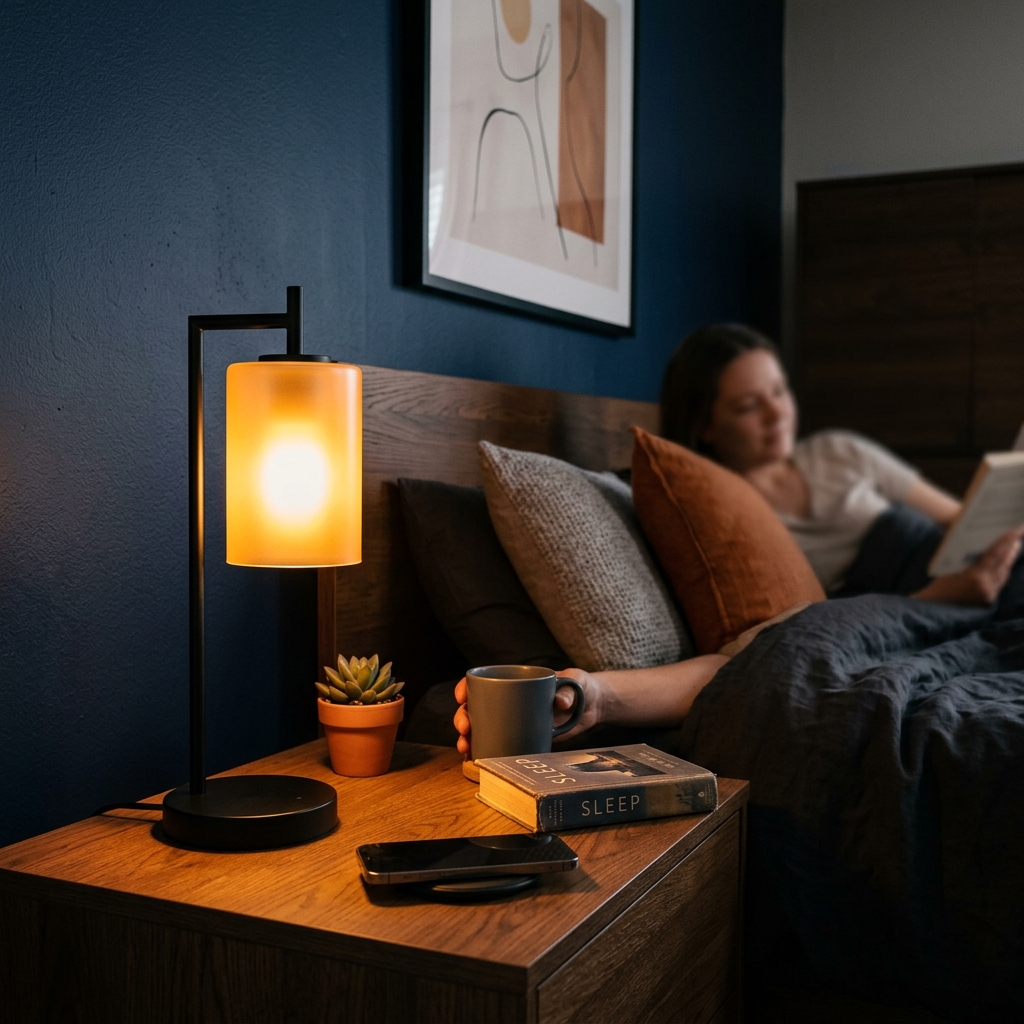
Step 1: Circadian Ambient Lighting ($130)
The cornerstone of a sleep-optimized bedroom is lighting. Our bodies respond naturally to the color temperature of light: cool, blue light wakes us up, while warm, amber light signals that it's time to sleep.
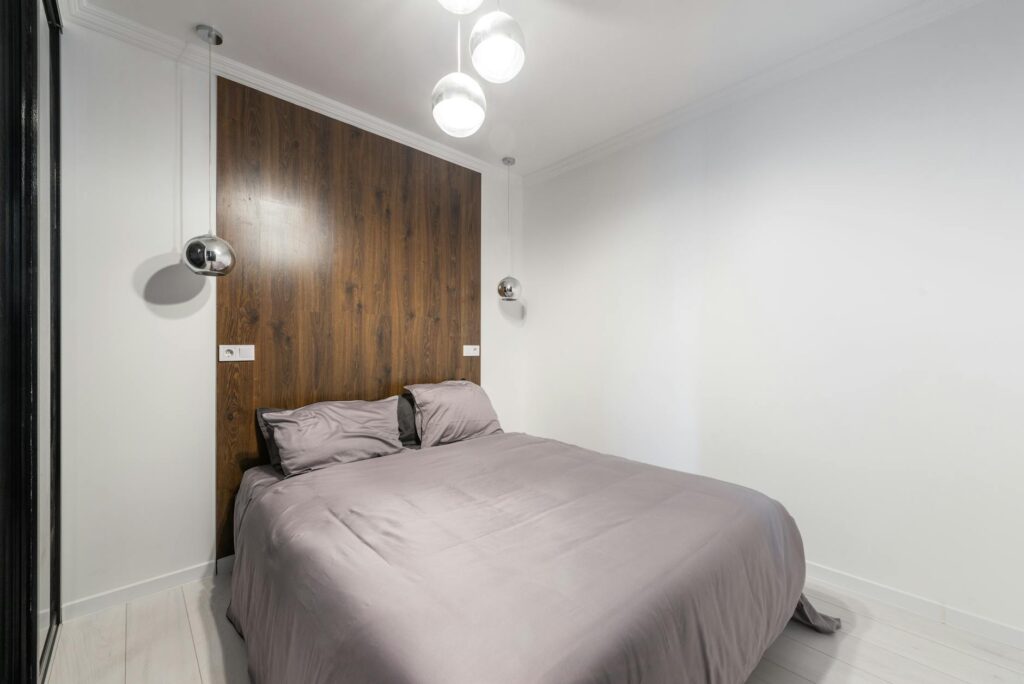
Instead of outfitting your overhead fixtures with smart bulbs, focus on ambient light. The Philips Hue Twilight is an exceptional choice for a bedside lamp. It's specifically designed to mimic the natural progression of the sun. You can automate it to slowly fade into a deep, sunset-orange glow as your bedtime approaches, gently nudging your body into sleep mode without you having to touch a switch or issue a voice command.
When morning comes, the lamp can be scheduled to gradually brighten with a cool, crisp light, simulating a natural sunrise. This feature alone drastically improves the wake-up experience compared to a jarring alarm clock.
Step 2: Invisible Under-Bed Motion Lighting ($40)
If you need to get up in the middle of the night, turning on a standard lamp can flood the room with light, instantly waking you up and disturbing your partner. The solution is automated, low-level floor lighting.
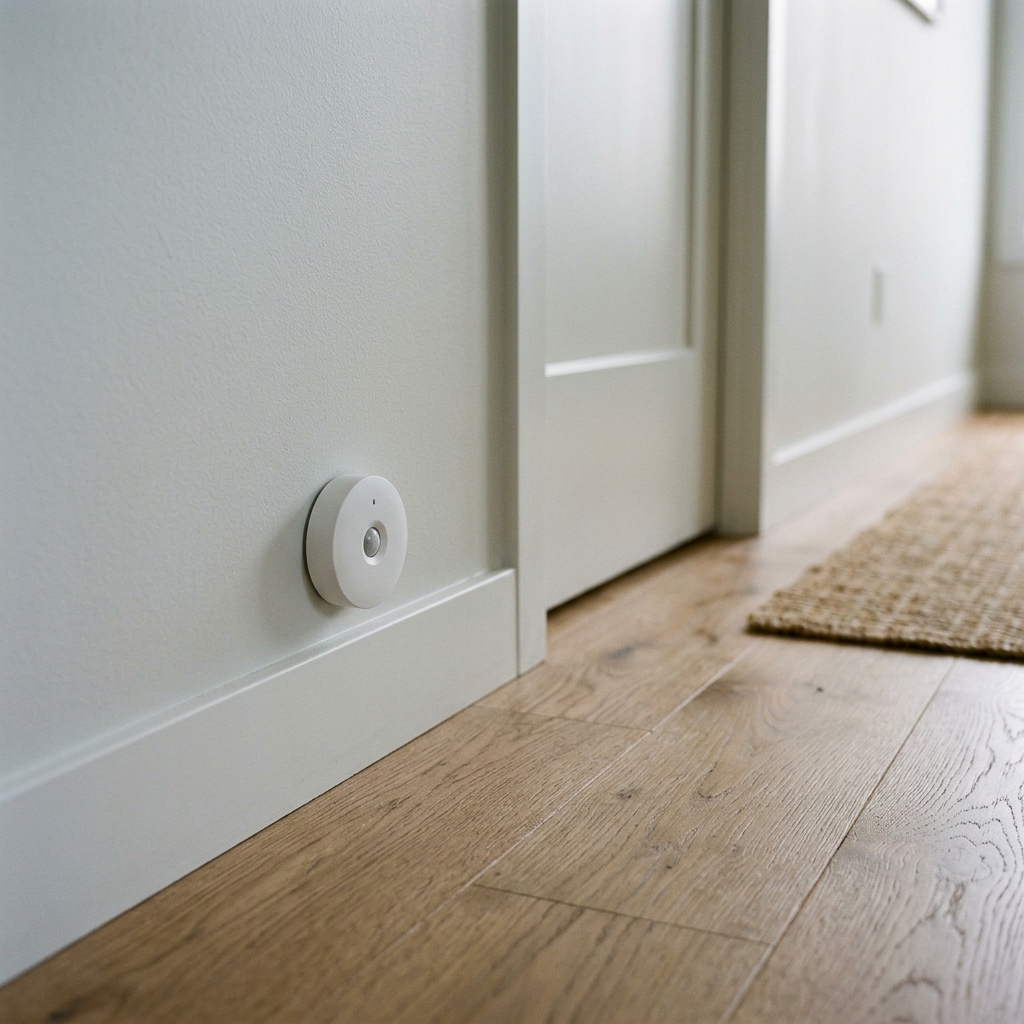
By running a simple LED light strip underneath the frame of your bed and pairing it with a hidden motion sensor, you can create a magical "runway" effect. We recommend using a basic smart light strip paired with the Aqara FP1E Presence Sensor.
Unlike standard PIR motion sensors that require you to wave your arms to keep the lights on, the FP1E uses mmWave technology. It can detect micro-movements (like breathing), ensuring the under-bed lights only activate when your feet actually hit the floor, and turn off immediately once you're back in bed. Set the automation to trigger only between midnight and 6 AM, and keep the brightness at a dim 5% red or warm white hue to preserve your night vision.
Step 3: Automated Climate and Air Quality ($130)
Temperature and air quality play a massive role in how well you sleep. Studies show that a cooler room (around 65°F to 68°F) promotes deeper sleep, while proper humidity prevents dry air from irritating your airways.
You can automate your existing non-smart humidifier or fan by plugging it into a smart plug. When tied into your smart home hub, you can set an automation that triggers the smart plug (and thus, the humidifier) to turn on whenever the room's humidity drops below 40%, ensuring optimal breathing conditions all night long.
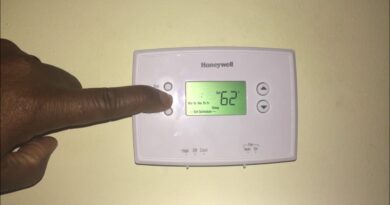
For temperature control, if you have a smart thermostat elsewhere in the house, use a remote temperature sensor placed on your nightstand. This forces your HVAC system to prioritize the actual temperature of your bedroom at night, rather than the hallway where the main thermostat lives.
Conclusion
For around $300, you can completely overhaul the sleep experience in your bedroom. By focusing on automated circadian lighting, subtle motion-activated night lights, and climate control, your bedroom's technology will work silently in the background to help you rest.
The best smart bedroom is the one where you never have to think about the technology at all. It simply anticipates your needs, sets the perfect environment, and lets you sleep.