Invisible Audio: How to Build a Multi-Room Sound System You Can’t See
The era of displaying massive, towering speakers as a status symbol in the living room is largely behind us. Today's modern, minimalist home demands a cleaner aesthetic—one where technology fades into the background and lets the interior design take center stage. But what if you still want room-filling, high-fidelity sound without the visual clutter of black plastic cylinders or boxy soundbars?
Enter the world of invisible audio. With the right hardware and a bit of planning, you can build a comprehensive, multi-room sound system that is completely hidden from view. From plaster-over architectural speakers to clever wireless amplifiers, let's explore how to achieve an auditory experience with a zero visual footprint.
The Magic of Architectural Speakers
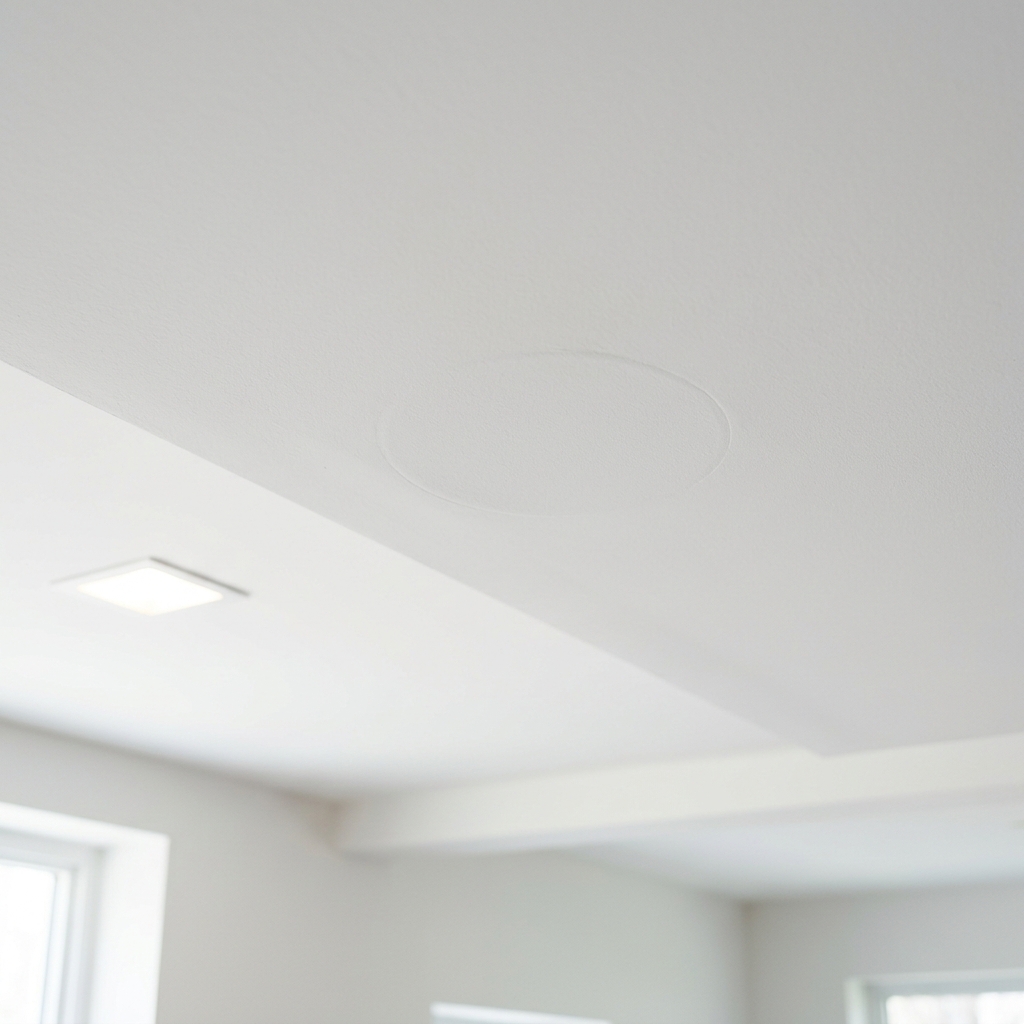
When we say "invisible," we mean it literally. Traditional in-wall or in-ceiling speakers still have a visible grille, which, while subtle, still interrupts the clean lines of a drywall ceiling or a painted wall. True invisible speakers, such as the Sonance Invisible Series, take a different approach.
These speakers are designed to be installed directly into the wall or ceiling, covered with a thin layer of drywall mud or plaster, and then painted or wallpapered over. The result is a completely flat surface that emits incredible sound. They use specialized transducers that vibrate the surface material itself, turning your wall into a massive speaker cone.
While installation requires a professional or a highly skilled DIYer—since it involves cutting drywall, wiring, and feathering joint compound—the payoff is unmatched. You get audiophile-grade sound in your living room, kitchen, or dining area without a single visible grille.
Powering Your Hidden System: The Modern Smart Amp
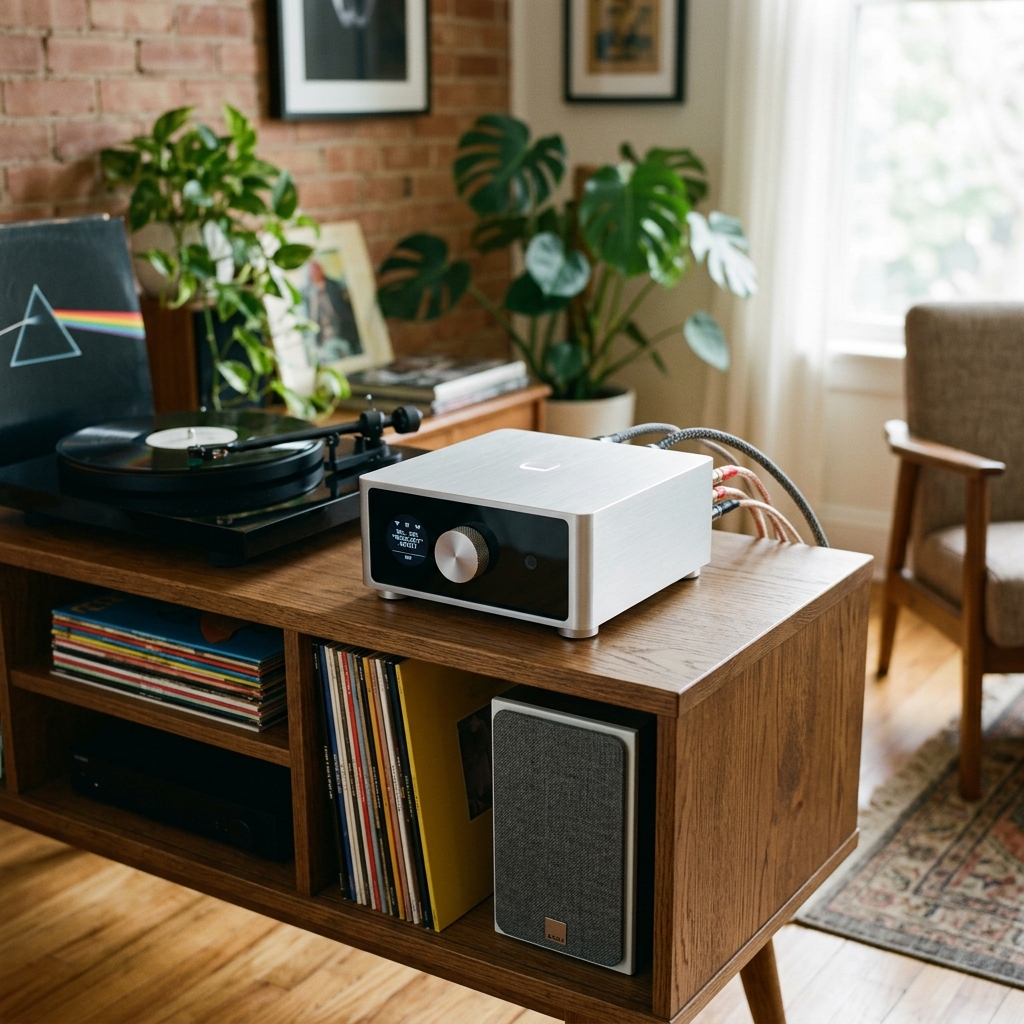
Invisible speakers are passive, meaning they require an external amplifier to power them. In the past, this meant dedicating an entire closet to a massive AV rack. Today, smart amplifiers have shrunk the footprint significantly, allowing you to hide the "brains" of your audio system in a media cabinet or even behind a TV.
The WiiM Amp is a perfect example of this modern approach. It’s incredibly compact, budget-friendly, and packs enough power to drive a pair of high-quality architectural speakers. Best of all, it seamlessly integrates with Apple AirPlay 2, Google Chromecast, and Alexa, meaning you can cast music directly from your phone to your hidden speakers with zero friction.
By wiring your hidden Sonance speakers to a WiiM Amp tucked away in a credenza, you bridge the gap between high-end architectural audio and modern smart home convenience. You can group multiple amps together in the app to create a synchronized, multi-room audio experience across your entire home.
Alternative Solutions for Renters
If cutting holes in your drywall isn't an option, you can still achieve a near-invisible audio setup. The key is integration.
Consider the IKEA SYMFONISK Picture Frame with Sonos WiFi Speaker. Designed in collaboration with Sonos, this device looks like a piece of modern wall art but hides a surprisingly capable Wi-Fi speaker inside. It completely eliminates the "gadget" aesthetic, blending perfectly into a gallery wall or a bedroom setup.
Another strategy is hiding compact smart speakers within your existing decor. Small devices can be tucked behind potted plants, placed on the highest shelf of a bookcase, or mounted underneath cabinets. While not strictly "invisible," this approach drastically reduces visual clutter while maintaining full voice control and audio playback capabilities.
Conclusion
Building a smart home shouldn't mean sacrificing the aesthetic integrity of your living space. By investing in architectural speakers like the Sonance Invisible Series and pairing them with sleek, modern amplifiers like the WiiM Amp, you can enjoy a premium multi-room audio experience that leaves your guests wondering where the music is coming from.
Start by assessing your most frequently used rooms. Whether you go all-in on plaster-over speakers or opt for clever camouflaged options, the future of home audio is meant to be heard, not seen.