Why You Probably Don’t Need a $20,000 Whole-Home Battery
The energy storage market wants you to believe that the only way to survive the next power outage is to drop $20,000 on a permanent, whole-home battery system. While an Enphase or Tesla Powerwall setup is incredible tech, the reality is that the vast majority of homeowners—and renters—simply don’t need to go all-in on day one.
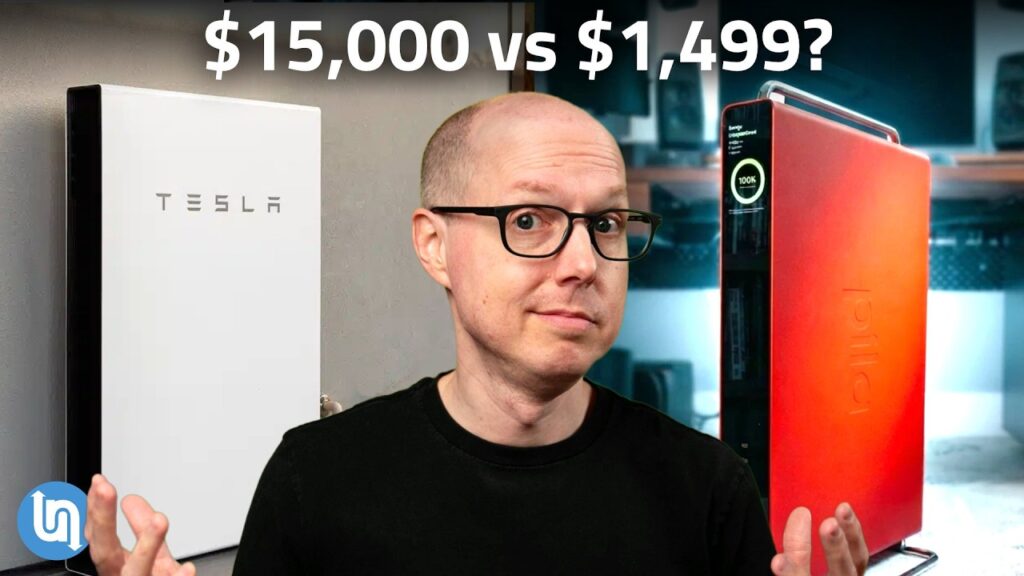
Recently, Matt Ferrell from the excellent YouTube channel Undecided with Matt Ferrell released a video detailing exactly how he used portable, plug-in batteries to perfectly complement his existing solar setup. His experience proves a vital point: starting with a plug-in or temporary battery backup for your critical loads is often a much smarter, more practical financial move.
The Illusion of "Whole-Home" Necessity
When a storm hits and the grid goes down, what do you actually need to keep running?
If you are like most people, your priority list looks something like this:
- The Refrigerator: Keep food and essential medicine from spoiling.
- The Internet Router: Maintain communication, check weather updates, and stay connected.
- The Home Office: Keep laptops charged and monitors running so you don't lose crucial work.
- A Few Lights/Entertainment: Avoid sitting in absolute darkness and keep the family calm.
Notice what isn’t on that list? Running your central air conditioning, powering your electric oven, or charging your EV at full speed. Yet, those massive, energy-hungry appliances are exactly why whole-home systems cost tens of thousands of dollars. They require massive capacity and significant electrical upgrades to your main panel.
By narrowing your focus to just the critical loads, you can solve 80% of your power anxiety for less than 10% of the cost.
Why Plug-in Batteries Are the Smarter Starting Point
The future of the smart home is energy, but that future shouldn't require a second mortgage. Plug-in batteries (like the Pila units discussed in the video above, or options from brands like EcoFlow and Anker) offer a radically different approach to energy security.
Here is why they make so much sense:
1. No Permits, No Electricians, No Waiting
The hidden cost of whole-home batteries isn't just the hardware; it's the installation. You have to hire a specialized electrician, pull expensive permits from your city, and potentially upgrade your entire electrical panel. This process can take months.
A plug-in battery? You order it, it arrives in a box, you plug it into the wall, and you plug your devices into it. It’s an instant, zero-friction upgrade.
2. Renters Are Finally Invited
For decades, if you lived in an apartment or rented a home, backup power meant relying on a noisy gas generator (which you can't use indoors) or simply suffering through the blackout. Plug-in batteries democratize energy storage. Because they don't require structural changes to the building, renters can finally secure their own power. And when you move, your battery moves with you.
3. Targeted, Instant Switchover
When you place a plug-in battery directly between the wall outlet and your most sensitive gear—like a network closet or a home theater—it acts as an uninterruptible power supply (UPS). If the grid blips, the battery takes over in milliseconds. Your router won't even need to reboot. Try achieving that level of localized, instant response with a massive garage-based system; it often takes just long enough to drop your Zoom call.
4. Offloading to Save Money (Time-of-Use Rates)
Even if you do have a whole-home system (like an Enphase setup in the garage), adding localized plug-in batteries can save you money. By offloading a heavy, consistent load—like a home theater that runs for 4 hours every night—onto a dedicated plug-in battery, you preserve the reserve capacity of your main system. You can charge the plug-in unit when electricity is cheap (or when your solar panels are producing excess power) and discharge it during peak evening hours, avoiding expensive utility rates.
For more strategies on saving money during peak hours, check out our guide to the best temporary home batteries under $500.
Redefining Energy Security
We need to stop looking at energy security as an all-or-nothing proposition. You do not need to choose between sitting in the dark or spending $20,000.
A plug-in battery is the ultimate gateway into home energy management. It allows you to protect your food, your internet, and your livelihood immediately. It’s an investment you can pack up in the trunk of your car if you ever decide to move.
Start small. Secure your most important rooms first. You might just find that a few well-placed plug-in batteries are all the "whole-home" backup you ever really needed.
Frequently Asked Questions
Can a plug-in battery power my whole house?
No, a single plug-in battery is designed for specific critical loads like your refrigerator, home office, or internet router. To power an entire home, including HVAC and EV chargers, you would need a hardwired system like a Tesla Powerwall.
Do I need an electrician to install a plug-in home battery?
No! The major benefit of portable and plug-in batteries is that they connect directly to a standard wall outlet. There is no need for an electrician, complex wiring, or building permits.
How much does a temporary home battery cost?
While large permanent systems can cost upwards of $20,000, high-quality plug-in batteries typically range from $1,000 to $2,500, making them a much more affordable starting point.