What Are Time-of-Use Rates? (And How to Beat Them Without Buying Anything)
This post may contain affiliate links. If you purchase through these links, PluggedInHome may earn a commission at no extra cost to you. Our editorial recommendations are independent.
If you've noticed your summer electric bill skyrocketing even though you haven't changed your habits, you might be the victim of a new billing structure that utility companies are quietly rolling out nationwide: Time-of-Use (TOU) rates.
In the past, you paid a flat rate for electricity no matter when you used it. Today, that is changing. Under a TOU plan, when you use electricity is just as important as how much you use.
Here is a plain English breakdown of how Time-of-Use rates work, and more importantly, how you can game the system to lower your bill without spending a dime on new smart home hardware.
How Time-of-Use Rates Work
The electrical grid operates on supply and demand. During the middle of the night, demand is very low. But on a hot summer afternoon at 5:00 PM—when everyone gets home from work, blasts the AC, turns on the TV, and starts cooking dinner—demand spikes massively.
To prevent grid blackouts and cover the cost of firing up expensive, dirty "peaker" power plants, utility companies are adopting TOU rates. They divide the day into pricing tiers:
- Peak Hours (Expensive): Usually 4:00 PM to 9:00 PM on weekdays. Electricity can cost double or even triple the normal rate.
- Off-Peak Hours (Cheap): Usually overnight, early morning, and weekends. Electricity is heavily discounted.
- Partial-Peak (Moderate): The hours buffering the peak times.
If you run your dryer or blast your AC at 6:00 PM, you are paying an absolute premium for that power.
3 Free Ways to Beat the Peak
You don't need a $10,000 home battery or a roof full of solar panels to fight back against TOU rates. You just need to shift when your home consumes heavy energy.
Here are three behavioral changes that cost nothing but can drastically lower your bill.
1. The "Pre-Cooling" Hack
Air conditioning is by far the biggest energy hog in your house. Instead of letting your AC fight the heat during the expensive 4 PM – 9 PM window, cool your house down before peak hours begin.
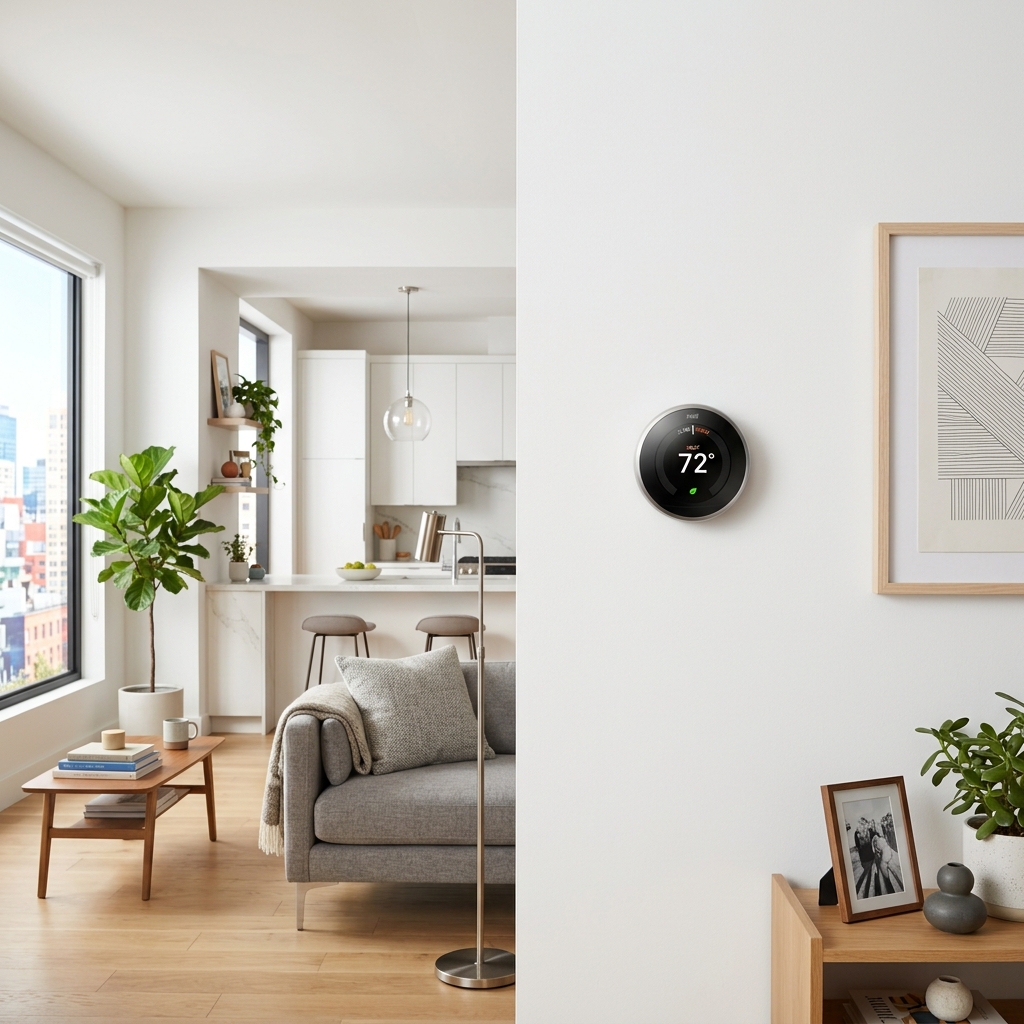
Set your thermostat to run aggressively at 70 degrees from 1:00 PM to 4:00 PM when power is cheap. Once 4:00 PM hits and the expensive peak begins, raise your thermostat to 76 or 78 degrees. Your home will act like a giant insulated cooler, coasting through the most expensive part of the day using the chill it built up when electricity was cheap.
2. Shift the Big Appliances
Do not run your dishwasher, washer, or electric dryer between 4:00 PM and 9:00 PM. Period.
- The Fix: Load the dishwasher after dinner, but don't start it until right before you go to bed. Most modern dishwashers and washing machines actually have a "Delay Start" button specifically for this reason.
3. Charge the EV While You Sleep
If you drive an electric vehicle, plugging it in right when you get home from work at 5:30 PM is the most expensive mistake you can make.
- The Fix: Almost every EV has a scheduling feature in its mobile app or dashboard. Set the car so that it will not accept a charge until midnight, ensuring you only fill the battery when electricity is at its absolute cheapest.
The Future Grid is About Timing
Utility companies are using Time-of-Use rates to force homeowners to become more aware of the grid. By making a few simple adjustments to your daily routine, you can avoid the peak pricing trap and keep more money in your pocket—all while helping to reduce the strain on your local power grid.
Frequently Asked Questions
What are peak hours for electricity?
Peak hours vary by utility but generally occur on weekdays between 4:00 PM and 9:00 PM, when families come home, turn on their ACs, and use large appliances.
Is electricity cheaper at night?
Yes. Under a Time-of-Use (TOU) plan, electricity during ‘off-peak’ hours (typically after 9:00 PM and before 4:00 PM) is significantly cheaper than during peak afternoon hours.