Community Solar vs. Rooftop Panels: The 2026 Guide for Smart Homes
The transition to clean energy is the defining feature of the modern smart home. But when it comes to solar power, the conversation has historically been limited to homeowners with sunny, south-facing roofs and the capital to invest in a massive hardware installation.

By 2026, that landscape has changed dramatically. The rise of Community Solar programs has democratized access to clean energy. If you're looking to power your smart home with renewables, you now have two very different paths to choose from. Here is a breakdown of Community Solar versus Rooftop Panels to help you decide.
What is Community Solar?
Community Solar (sometimes called a solar garden or shared solar) involves a large, centralized solar farm built in your local utility region. Instead of buying panels, you subscribe to a portion of that farm's energy output.
The farm generates electricity and feeds it directly into the local grid. Your utility company then applies a credit to your monthly electric bill for the power your share produced.
The Pros of Community Solar
- Zero Upfront Cost: There are no installation fees, no hardware to buy, and no financing required. You simply sign up online.
- Guaranteed Savings: Most programs are structured so that your subscription cost is lower than the value of the credits you receive, typically resulting in a 10% to 15% net savings on your annual electricity bill.
- Accessible to Everyone: Renters, condo owners, and people with heavily shaded roofs can all participate. You just need a utility bill.
- No Maintenance: You don't have to worry about cleaning panels, replacing inverters, or roof leaks.
The Cons
- No Backup Power: Because the panels aren't connected directly to your house, community solar won't keep your lights on during a blackout.
- Lower Financial Return: You'll save 10-15%, but you won't completely wipe out your electric bill or build equity in a hardware asset the way you would with rooftop solar.
What About Traditional Rooftop Solar?
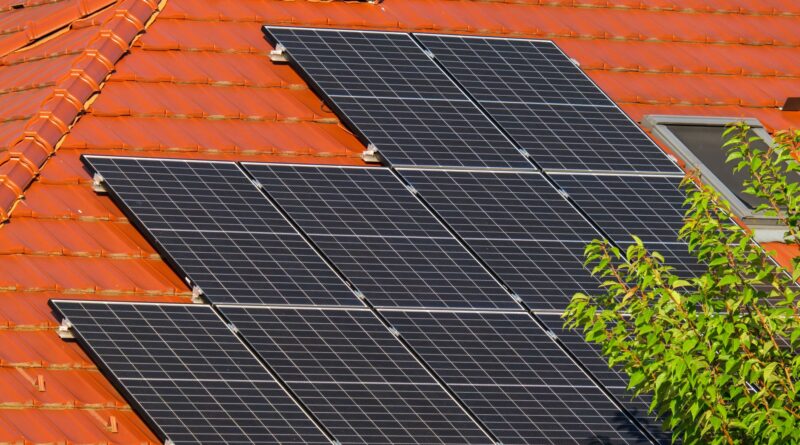
Rooftop solar involves installing physical photovoltaic panels directly on your property. You generate the power locally, consume it in real-time, and send excess back to the grid (or into a home battery).
The Pros of Rooftop Solar
- Maximum Financial Return: After the payback period (typically 6 to 9 years), the electricity your system generates is virtually free, offering massive long-term savings.
- Energy Independence: When paired with a home battery, a rooftop system provides backup power during grid outages.
- Smart Home Integration: Modern inverters communicate locally with smart panels (like SPAN) and smart thermostats, allowing you to route excess solar production directly into your EV or water heater dynamically.
- Tax Incentives: You can claim the 30% federal investment tax credit (ITC) on the hardware and installation costs.
The Cons
- High Barrier to Entry: A typical system costs between $15,000 and $30,000 before incentives. Even with financing, it is a significant financial commitment.
- Eligibility: You must own your home, have a roof in good condition, and have adequate sun exposure without shading from trees.
The Verdict for 2026
If you own a home, have a good roof, and want the ultimate smart home setup complete with battery backup and deep smart home automation, Rooftop Solar remains the gold standard.
However, if you rent, plan to move in the next few years, or simply don't want the hassle of a construction project, Community Solar is an absolute no-brainer. It is the easiest way to support the future grid and lower your bills with literally zero risk.
Frequently Asked Questions
Can renters use community solar?
Yes! Because community solar doesn’t require any hardware on your property, anyone with a utility bill in a participating region can subscribe.
Do I get backup power with community solar?
No. Community solar only provides financial credits on your bill. To get backup power during an outage, you would need your own home battery or a rooftop solar + battery system.